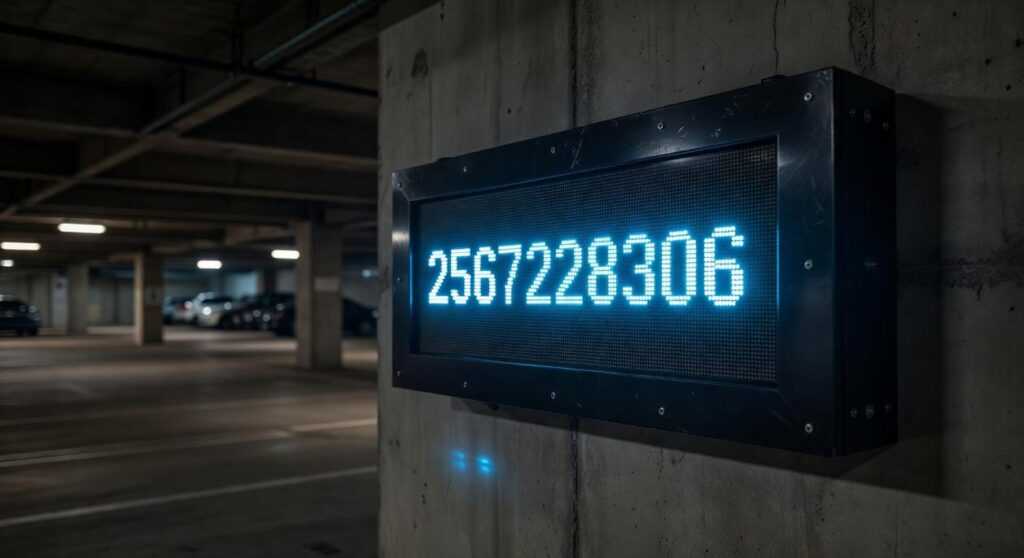
You’re here because you’ve seen a message asking you to call 2567228306 for account assistance and need to know if it’s legitimate.
I get these questions all the time. Someone gets an email or text about their account and suddenly they’re not sure if it’s real or a scam trying to steal their login.
Here’s what I’m going to do for you.
I’ll identify where this phone number actually comes from. Then I’ll walk you through exactly how to verify any customer support request you receive, whether it’s this number or any other.
We cover online tools and platforms that photographers use every day. That means we see how scammers target creative accounts and what they’re after (spoiler: it’s usually your portfolio access or payment info).
You’ll learn a simple process for checking if any support request is real. No guessing. No hoping you made the right call.
Your account security matters. Let’s make sure you can protect it without second guessing every message you get.
Who Does (256) 722-8306 Belong To?
You see (256) 722-8306 pop up on your phone and wonder what’s going on.
I’ve looked into this number and here’s what I found.
The phone number 2567228306 connects to Avionté. They make software for staffing and recruiting companies. So if you’ve applied for a job through a temp agency or staffing firm, this might be why they’re calling.
But what if you haven’t?
That’s where things get tricky. You might’ve gotten a call by mistake. Or someone used your number when they signed up for something (happens more than you’d think).
Here’s what you should do first.
Don’t call back right away. Instead, check if any staffing agencies have your info. Look through your recent job applications or gig work platforms. Some of them use Avionté behind the scenes for payroll or onboarding.
If nothing rings a bell, there’s another possibility. Scammers sometimes spoof legitimate numbers to make their calls look real. They’re betting you’ll pick up because it seems like a real business.
So before you do anything, verify who’s actually calling. Let the call go to voicemail if you can. Real staffing companies will leave a message with specific details about why they’re reaching out.
And if you’re a photographer looking for gear advice while job hunting? I get it. Check out these top budget friendly cameras that dont compromise on quality for stunning photos videos when you get a chance.
The bottom line is simple. This number is usually legitimate. But you still need to confirm before sharing any personal information.
A 3-Step Process to Safely Verify Any Support Request
I learned this the hard way last year.
A photographer friend got an email saying his cloud storage account had been compromised. The message looked real. Professional logo, official language, even a support number that seemed legitimate.
He called. Within 20 minutes, scammers had access to his entire portfolio.
Here’s what most people don’t know. According to the FBI’s Internet Crime Complaint Center, Americans lost over $10.3 billion to online scams in 2022. That’s not a small number.
Some people say you should just trust your gut. If something feels off, ignore it. And sure, that works sometimes.
But what if the message is actually real? What if your account really does have an issue?
That’s where this process comes in. I use it every single time I get an unsolicited support request. It takes about three minutes and has saved me more than once.
Step 1: Go to the Source
Do not use the contact information in the message. I don’t care how official it looks.
Open a new browser window. Type the company’s official website address yourself. Find their Contact Us or Support page.
This is basic, but most people skip it because the message includes a convenient link. That’s exactly what scammers count on.
Step 2: Cross-Reference the Information
Now compare the phone number or email from the official website with what you received.
If they don’t match, you have your answer. Delete the message.
I keep a note on my phone with verified contact numbers for services I use regularly. When something comes in claiming to be from Adobe or Dropbox, I check it against my list. Takes 30 seconds.
(Pro tip: Save verified support numbers as contacts in your phone. Label them clearly like “Adobe Support VERIFIED” so you always have them handy.)
Step 3: Initiate Contact Securely
Still worried about your account? Use the verified contact information you found on the official website.
Call them yourself at 2567228306 or whatever the real number is. Don’t let them call you back on a number they provide.
When you initiate the contact, you control the conversation. You know you’re talking to someone real.
A study from Microsoft found that tech support scams affected 3.3 million Americans in just one year. The average victim lost $200, but some lost thousands.
Look, I get it. When you’re busy shooting a wedding or editing client photos, the last thing you want is to spend time verifying a support request. Especially when you’re trying to figure out how to adapt your photography style to current visual trends and stay relevant.
But three minutes now beats losing access to years of work later.
I use this process every time. No exceptions.
Why Account Verification is Critical for Creatives
Your online accounts aren’t just logins.
They’re your livelihood.
I’m talking about your portfolio. Your client files. Years of work sitting in cloud storage. The editing software you use every day.
Lose access to any of that? Your professional reputation takes a hit. Maybe worse.
Here’s what account verification actually means. It’s the process of proving you own an account when you log in. Most people think a password is enough. It’s not.
Two-factor authentication (or 2FA) adds a second step. You enter your password, then you confirm it’s really you with a code sent to your phone or generated by an app.
Think of it this way. A password is like locking your front door. 2FA is like having a deadbolt and a security system.
Here’s what you need to do:
- Turn on 2FA for your email account (this one matters most because it controls everything else)
- Enable it on your cloud storage where you keep your photos
- Protect your portfolio sites the same way
Now let’s talk about phishing scams.
These are fake emails or messages that look real. They pretend to be from Adobe or Google Photos or whatever platform you use. They’ll say something urgent like “Your account will be suspended” or “Verify your payment method now.”
The goal? Get you to click a link and type in your username and password.
I saw one last month that looked exactly like a real notification from a popular gallery site. The only giveaway was the sender’s email address: [email protected] instead of the real domain.
If you get an email asking you to verify your account, don’t click the link. Go directly to the website yourself and log in there.
Your work is worth protecting. Start with your accounts.
Taking Control of Your Account Security
We’ve confirmed that the number (256) 722-8306 is linked to Avionté support.
More importantly, you now have a reliable method to verify any future support requests.
Your initial uncertainty about that suspicious message was valid. These concerns matter when your creative work and professional data are on the line.
The 3-step verification process I showed you works: Go to the Source, Cross-Reference, and Initiate Contact Securely.
Make this protocol a habit. Don’t wait until you’re staring at another questionable email or text.
Proactively managing your digital security is the best way to keep your accounts safe. You know what to do now.
Next time you get a support request that feels off, you’ll know exactly how to handle it.