
Color Palettes Going Bold and Cinematic
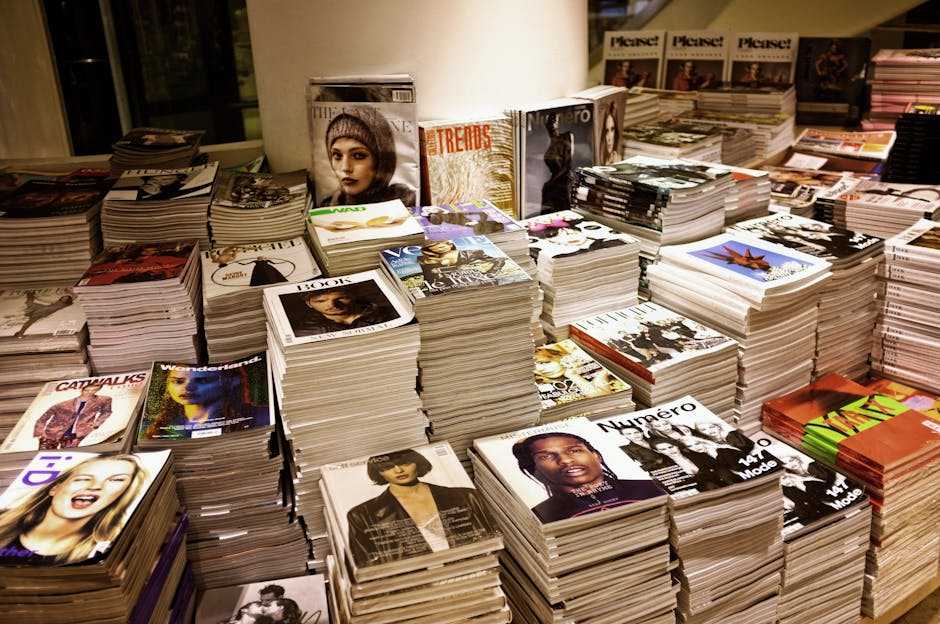
The era of soft neutrals and dusty beiges is fading. In 2026, photography feeds are awash in deep teals, electric corals, and high contrast tones that demand attention. The shift is intentional and strategic. Bold palettes aren’t just aesthetic choices. They’re emotional cues, pushing narrative and tone before a viewer reads a caption.
Photographers are getting sharper with color theory, too. Blues are being used to cool down tense compositions; reds inject urgency or passion. Sunset tones bring nostalgia. The right palette adds layers without saying a word.
Driving this shift are smarter LUTs and grading tools designed for speed and punch. Programs like DaVinci Resolve and Lightroom presets tailored for cinematic looks have lowered the effort barrier. More creators can now infuse stylized grading into their workflows without spending hours on each photo. The result? Visually consistent, mood driven galleries that connect faster and last longer in the viewer’s mind.
AI Enhanced Creativity Takes Center Stage
AI has moved from the editing room to the viewfinder. What used to be post shoot magic is now helping during the capture itself. Smart assistants are built into gear from cameras that guide composition live, to apps that suggest better lighting angles or even prompt you to retake a shot if someone blinked.
Framing guides now respond in real time to what’s in the lens. Some AI tools can suggest crop ratios tailored to specific platforms before you’ve pressed the shutter. For vloggers and photographers working solo, this is gold it’s like having a second set of eyes that doesn’t miss.
But it’s not just about automation. The best creators are using AI to enhance, not replace, their eye. A machine can tell you where the frame balances, but it can’t feel the moment. That gut instinct is still yours. The sweet spot lies in combining intuition with smart tech. Machine learning adds precision; you bring the soul.
Mobile Photography Becomes Studio Level
The gap between smartphones and DSLRs is closing fast. Flagship phones now come with larger sensors, better low light performance, and computational smarts that sharpen every detail in real time. You don’t need a $3,000 camera body to shoot sharp portraits or cinematic cityscapes anymore just a phone you charge every night.
But hardware’s only part of the story. Portable accessories are changing the game: gimbals for buttery smooth motion, attachable lenses for tighter depth, and mini LED panels that travel light but shine bright. With the right gear, your sweaty backpack becomes a complete mobile rig.
The real unlock, though, is mindset. Shooting on mobile means mastering framing, understanding natural light, and embracing constraints as creative fuel. The pros making waves treat mobile like a real camera because, in 2026, it is. Whether you’re building a portfolio or landing client work, what matters most is the eye behind the glass, not the size of the body it’s attached to.
Real World Storytelling Over Staged Shoots

Candid, documentary style photography isn’t just trending it’s taking over. People are tired of overly staged photos that feel more like ads than stories. What they want to see now are moments that feel real. Unfiltered. Alive.
This translates to a new approach: less posing, more observing. It’s about being there with your camera when something honest happens a look, a laugh, a pause rather than reinforcing what something ‘should’ look like. These are the photos that invite viewers in, not just impress from a distance.
To get shots like that, you’ve got to build trust. That starts with showing up early, blending in, and knowing when to back off. Subjects open up when they stop thinking about the lens. It takes patience, but the result is photography with actual weight.
Scout locations that already carry emotion quiet streets, kitchen tables, backstage corners. Let the environment do some of the work. Then, wait for the story to come to you.
The takeaway? In 2026, composition still matters, gear still matters but emotion and timing carry more weight. If you’re chasing perfection, you’re probably missing the point.
Vertical Composition Mastery
Mobile first isn’t just a suggestion anymore it’s the standard. Most photos are viewed vertically, on phones, and in fast moving feeds. The challenge? Creating vertical content that feels intentional, not cropped or cramped.
Start by framing with vertical in mind. Shoot with a 9:16 ratio from the beginning. Use strong central subjects, leading lines that climb the frame, and leave space at the top and bottom for text overlays or UI. Forget the old rule of thirds vertical demands custom balance. The eye scrolls up and down, not side to side.
Quality still counts. Avoid over compressing images for mobile upload. Clean color, sharpness, and contrast make a difference even on small screens. Add vertical LUTs or use mobile optimized export profiles to maintain fidelity across screen sizes.
Finally, workflow matters. Batch editing software like Lightroom or VSCO can handle both vertical and horizontal in one go but plan early. Label files with platform targets: TikTok, Pinterest, Stories, Reels. Export in multiple aspect ratios so you’re ready for anything. Shooting once, repurposing everywhere that’s real efficiency.
Monetization is Going Direct to Audience
Photographers are cutting out the middlemen in 2026. With selling prints, digital presets, and tutorials, creators no longer need big name galleries or brand deals to thrive. A clean print shop and a tight post production preset pack these are becoming core revenue streams. The appeal? Low overhead, high control.
Subscription based content and community platforms like Patreon and Discord are also pulling their weight. What used to be passive audiences are now becoming paying members, looking for behind the scenes processes, critiques, gear advice, or just a direct line to the creator. People don’t just pay for images they pay for access, personality, and consistency.
This is where personal branding comes into sharp focus. You can take amazing photos, but if your presence isn’t dialed in, it’s hard to build real traction. In a saturated space, your voice, values, and visual identity are what keep people around. You don’t need to be loud you need to be clear.
For tips on evolving your style to stay ahead of the pack, check out this guide on adapting to trends.
Staying Ahead of the Curve
Spotting visual trends early isn’t about being trendy it’s about paying attention. Follow a mix of emerging creators, design blogs, and niche communities. Look beyond photography: fashion, film, and even packaging design often hint at what’s next. Spend more time observing than reacting. The idea is to notice patterns before they’re everywhere.
Trial projects are how you test the water. They don’t need to be perfect, just honest runs at something new. Start posting experimental concepts on your off days or slip them into B roll. If something clicks, keep refining it. Some of the strongest portfolio pieces start as loose experiments with a half formed idea. Think of it as creative R&D.
Staying relevant isn’t about chasing every trend it’s about evolving on purpose. Audit your work every few months. Ask what still excites you, what’s getting traction, and what feels stale. Small shifts made consistently will outpace big, last minute pivots every time.
For deeper insight on intentional evolution, check out this guide.