Where Mobile Photography Stands Today
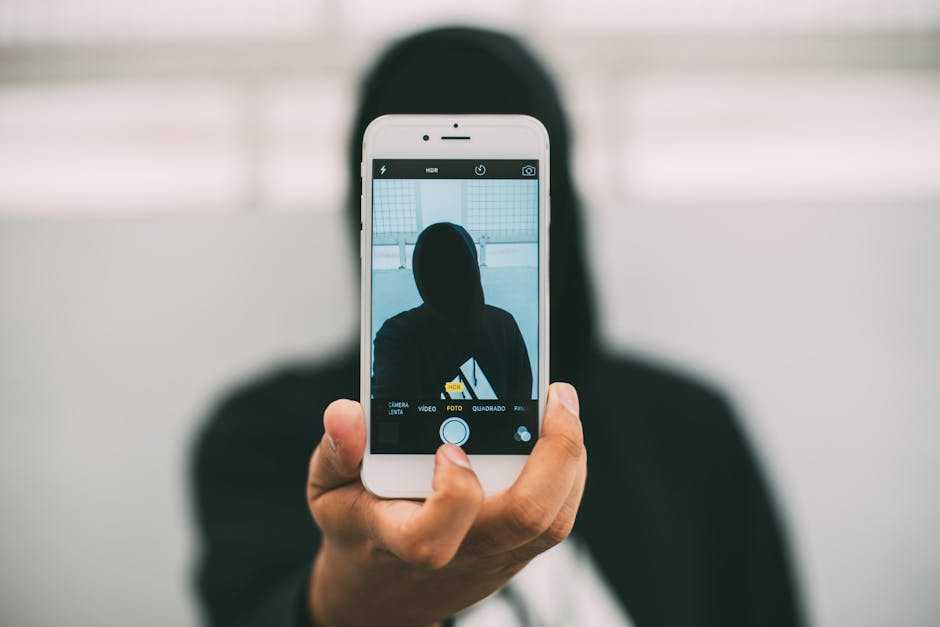
The smartphone camera has grown up. What started as a novelty feature is now housing sensors sharp enough to rival dedicated gear. Flagships from Apple, Google, and Samsung are stacking multi lens arrays, periscope zooms, and massive image sensors into palm sized frames. The resolution game? Impressive. But the real leap isn’t just hardware it’s the software backbone driving it.
AI and computational photography are doing the heavy lifting behind the scenes. Think automated exposure blending, real time background blur, low light scene stitching, and instant post processing. You don’t need to know what ISO is to take a killer sunset shot. And with live filters, object recognition, and editing suggestions popping up while you shoot, your camera is basically co directing your content.
That’s why mobile photography now dominates social media. It’s fast, it’s frictionless, and it favors creators who think quick. The most viral videos and compelling vlogs often start and end on a phone. But it’s not just about likes anymore smartphones are redefining what’s considered “professional.”
Reporters are filing stories with crisp smartphone footage. Travel influencers are skipping the DSLR bloat. Lifestyle brands shoot campaigns with gear that fits in a jeans pocket. Even some commercial shoots incorporate smartphone shots for versatility and speed. The barriers are falling because tools that live in your pocket are proving they can carry the load.
For a deeper dive, check out the Rise of mobile photography, where we unpack how the smartphone lens became the new standard.
Strengths of Mobile Over Professional
Ask most people what camera they use, and they’ll point to their phone. That’s not laziness it’s strategy. Portability matters. A heavy DSLR tucked in a bag doesn’t help you catch a moment that vanishes in a blink. But your phone? Always there. Always ready. The best camera really is the one you have on you.
Then there’s the ecosystem. Smartphones let you shoot, edit, and post all without leaving your screen. Built in editing tools, AI filters, and those smooth file syncs across devices mean creators skip the extra steps and keep up the pace. No extra gear. No cable hunts late at night.
On the cost front, mobile wins too. A flagship phone is still cheaper than a decent DSLR with lenses and accessories. That means fewer barriers for people trying to get into photography or content creation. You don’t need thousands to get started. Just the phone in your pocket and a story to share.
And for hobbyists? This accessibility is freeing. You want to shoot your streetwear shots, your sunset hikes, or your kitchen experiments no gatekeeping. Just hit record.
Where Professional Cameras Still Lead
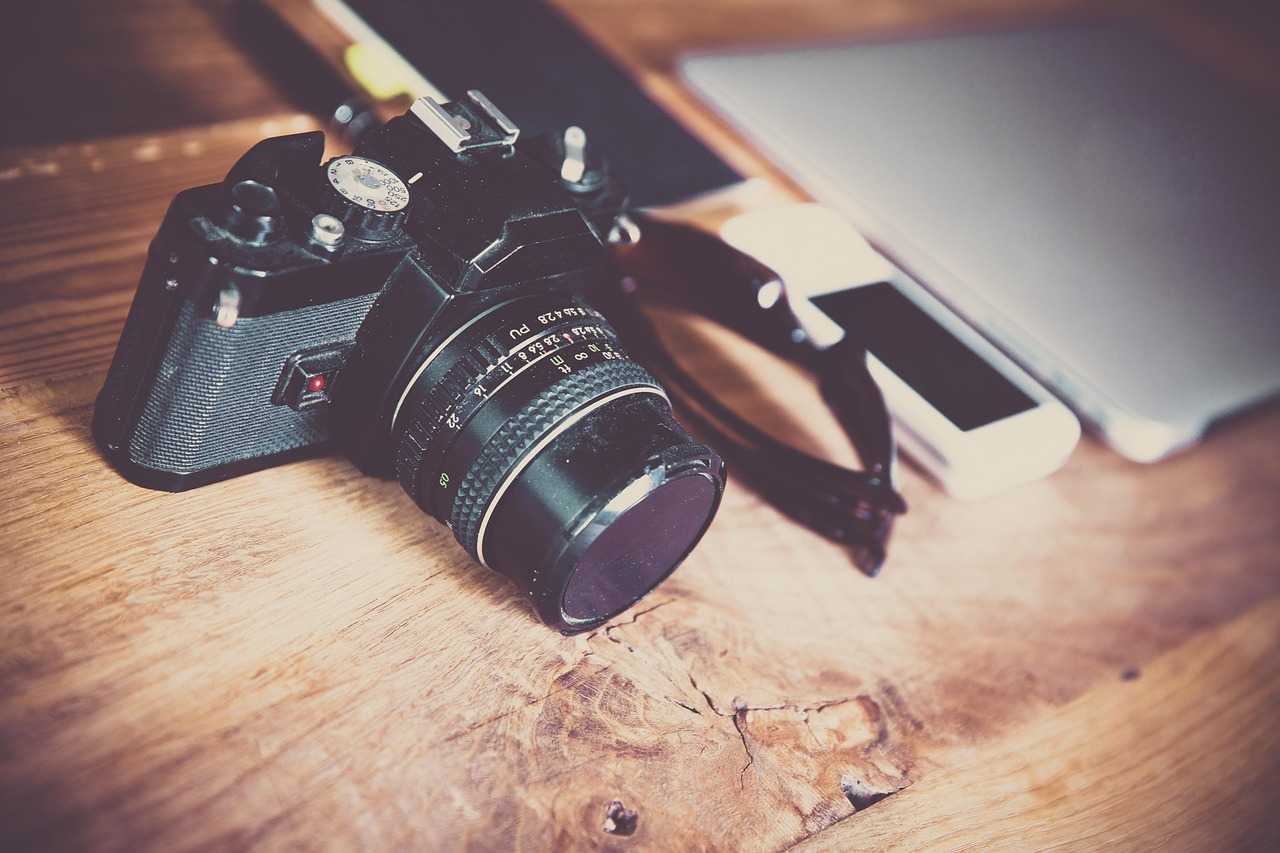
For all the convenience smartphones offer, pro cameras still hold the line in key areas where hardware brute force matters. First up: sensor size. Bigger sensors pull in more light, which means better low light performance, cleaner shadows, and more room to push the image in post. You’re not battling noise with every exposure. That, in turn, fuels dynamic range how well you handle highlights and shadows in one frame.
Then there’s lens control. Real glass, interchangeable options, and the ability to manipulate depth of field with precision that’s still the realm of DSLRs and mirrorless systems. Smartphone bokeh algorithms have come a long way, but it’s still software parsing pixels, not true optical separation.
Speed is another win for the pros. Want to freeze action or capture a split second expression in tough lighting? Professional cameras deliver faster autofocus, higher frame rates, and better tracking. Phones can’t quite hang there yet.
And finally, control. Dials for ISO, shutter, aperture. Custom picture profiles. Dual card slots. Full control over compression and formats. Professional rigs are built for creators who need things dialed in exactly, every time. No shortcuts. Just pure, manual reliability when it counts.
Mobile might be good enough for most but when precision matters, this gear still earns its rent.
The Gap Is Closing Fast
Professional photographers aren’t ditching their DSLRs and mirrorless setups, but they’re definitely thinking differently. More and more are sliding smartphones into their kits not as backups, but as essential tools. A phone won’t beat a full frame sensor, but it can grab behind the scenes footage, candid shots, or social first content on the fly. It’s about agility now.
Add ons make these phones even more powerful. Clip on lenses, sensor driven gimbals, multi mic setups, and even modular rigs are turning mobile devices into legit production gear. Need depth control, smooth tracking or crisp audio? There’s a rig or app for that.
The shift isn’t just about gear. Entire industries are leaning hard into mobile first workflows. Journalists break stories with smartphone footage. Fashion creators edit lookbook shoots straight from their iPads. Real estate marketers walk through million dollar homes streaming in 4K from their phones. The quality is there and so is the speed.
It’s not about abandoning big rigs. It’s about using the right tool for the job and mobile is becoming the right call more often.
Related read: Rise of mobile photography
The Bottom Line
It’s not about which camera is better anymore. That’s an argument we’ve outgrown. The real question is: what’s the job, and what tool gets it done faster, cleaner, with less overhead?
Mobile photography has opened the gate for more people to create period. You no longer need a $3,000 rig and a four year degree to take stunning shots or shoot a short film. The barrier’s dropped, and the crowd’s a lot more interesting because of it.
Pro shooters aren’t running scared they’re adapting. Many are already folding smartphones into their kits, treating them as serious tools, not toys. On the fly content, previews, social first promos: mobile does it faster.
Looking ahead, expect less of a divide. More creators will shift between platforms, formats, and gear types depending on what’s needed. Whether it’s DSLR, mirrorless, or the phone in your pocket, flexibility is the real professional skill now.