Why Mirrorless Still Dominates the Conversation
Lightweight. Fast. Silent. That’s the whole story in three words and the reason mirrorless continues to eat up DSLR market share in 2026. The clunky, mirror lifting mechanisms that used to dominate pro gear are officially legacy tech. Today’s mirrorless bodies are lean without compromising on power. Whether you’re city hopping with a camera in your daypack or chasing clean audio on a shoot, the smaller footprint and virtually silent shutters just work better for modern creators.
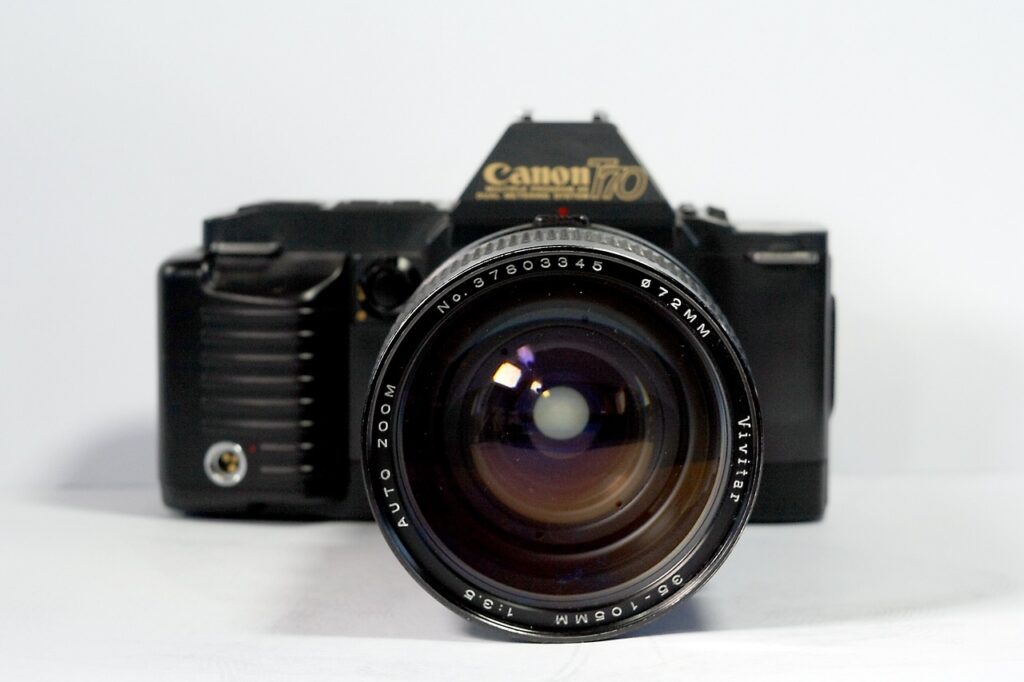
The DSLR vs. Mirrorless debate? That one’s over. Autofocus parity is here. Battery life has improved. And, perhaps most importantly, mirrorless image quality now equals or beats its DSLR counterparts across most use cases. We’re not talking about trade offs anymore just progression.
And when it comes to composition, EVFs (electronic viewfinders) have stepped up. Today’s smart EVFs offer crisp previews, real time exposure feedback, focus peaking, and overlays that make in the moment adjustments intuitive. Optical viewfinders may have nostalgia, but EVFs deliver control.
Mirrorless isn’t just a phase. It’s where camera design is heading and 2026 proves that clearly.
Advantages That Matter in 2026
Mirrorless cameras in 2026 aren’t just catching up they’re setting the pace. Autofocus has leveled up thanks to machine learning. Face tracking? Solid. Eye tracking on moving pets? Even better. Whether you shoot street scenes or sports, these AI driven systems lock on fast and stay sticky.
Low light is no longer high stress. Modern sensors paired with smarter noise reduction software mean sharp, usable shots in dim conditions whether you’re shooting late nights or underground gigs, photo or video.
Design wise, mirrorless builds stay compact without trimming the pro level must haves. Think dual card slots, 10+ stops of dynamic range, IBIS that actually works, and weather sealing on par with DSLRs. No more compromise between form and function.
Burst modes are faster than ever. We’re talking 30+ fps with full autofocus, perfect for wildlife, action sports, or anything else that won’t sit still. If your subject moves fast, your gear now does too.
Who Should Go Mirrorless (and Who Maybe Shouldn’t)

Mirrorless cameras have come a long way, but they’re not one size fits all. Whether you’re capturing handheld moments on the go or sticking to a planned studio setup, your gear needs to align with your workflow here’s a look at who stands to benefit the most (and who might want to sit tight).
Best Fit for Mirrorless
✔️ Travel Photographers
Lightweight builds mean less to carry through airports and mountain trails.
High image quality in small bodies lets you pack smart while capturing pro level shots.
Fast startup times make it easy to shoot on the fly when the light hits just right.
✔️ Vloggers and Content Creators
Compact size fits perfectly into mobile setups or handheld rigs.
Real time autofocus with face and eye detection keeps you sharp while filming yourself.
Silent shooting prevents distractions in audio driven content, especially in public or indoor environments.
Might Want to Pause Before Making the Jump
✖️ Studio Shooters
Traditional DSLRs still offer comfort and familiarity for studio setups where weight isn’t a concern.
Optical viewfinders can be preferable for specific lighting environments and traditional workflows.
✖️ Film and Photography Purists
The tactile experience of a DSLR mechanical shutter, physical dials remains hard to replace.
Some prefer the visual clarity of an optical finder for framing and exposure checking.
Key Considerations Before Switching
Making the leap to mirrorless isn’t just about picking up a new body it often means rethinking your entire kit.
Lens Compatibility: Will your current lenses work with adapters, or do you need to reinvest?
Battery Life: Mirrorless cameras still trail behind DSLRs in total shooting time carry spares.
Muscle Memory: Menu layouts, button placement, and touchscreen usage all differ factor in adjustment time.
Choosing to go mirrorless? Make sure it aligns with how you shoot not just what the spec sheets promise.
Our Favorite Mirrorless Picks for the Year
2026 has brought a fresh wave of mirrorless cameras designed with creators in mind from professionals chasing cinematic depth to content makers on a budget.
Flagship models are cutting no corners this year. We’re talking about sensors that push dynamic range close to medium format levels, internal 8K video capture without overheating, and lightning fast autofocus that locks onto eyes, even in motion. If you’re producing commercial work or chasing high end results for brand deals, these beasts hold up in any shoot condition.
On the flip side, budget friendly doesn’t mean barebones anymore. Entry and mid tier mirrorless options now offer 4K video, solid autofocus, and color profiles that don’t require hours of grading. These models hit right in the sweet spot great for creators looking to upgrade from smartphones without blowing their savings.
Then there are the workhorses cameras built to last. We’re seeing better battery performance, ruggedized bodies for shooting out in unpredictable weather, and clean, intuitive menus that cut down on fumbling in the field. In other words, less friction between your ideas and getting the shot.
Check out our top mirrorless picks
What to Watch for When Buying in 2026
Specs are getting louder, but smarter buyers are tuning in to the quiet variables. Too many people still obsess over megapixels, but if you’re serious about your craft especially video you need to dig deeper. The real question is: what’s the lens ecosystem like? A great camera body won’t take you far if you’re stuck with overpriced or underwhelming glass. Brands with a solid, versatile lens lineup (especially native mounts) win every time.
Then there’s firmware. Don’t sleep on it. In 2026, firmware updates aren’t just bug fixes they’re silent revolutions. We’ve seen autofocus systems improve overnight, color profiles added mid cycle, and even limitations removed from older mid range models. Before buying, check how often the manufacturer updates their gear and if the community backs those changes.
Finally, if you’re a hybrid shooter someone doing both video and stills don’t compromise. Some cameras lean too far one way. You want fast, clean stills and strong video tools: things like 10 bit recording, good in body stabilization, and proper audio inputs. Make sure it’s ready to pull double duty without making you regret every setting switch.
Bottom Line: Mirrorless Is Still the Right Move
The Tech Keeps Moving So Should You
Mirrorless camera technology hasn’t slowed down in fact, it’s evolving faster than ever. From advanced in body stabilization to smarter AI powered autofocus, manufacturers are pushing boundaries in both hardware and software. Innovation isn’t just about specs it’s about enabling better, more intuitive storytelling.
Continuous improvements in sensor design and processing speed
Smarter autofocus features with real time object tracking
Enhanced connectivity and mobile savvy workflows
Innovation + Usability = 2026 Standard
This year’s top mirrorless models are a perfect blend of power and practicality. Whether you’re a hobbyist or a seasoned pro, what stands out is how user friendly these tools have become without compromising quality.
Intuitive menus and user interfaces
Weather sealed, travel ready designs
Better battery life and faster boot up times
It’s Not About Switching It’s About Leveling Up
The debate between DSLR and mirrorless has shifted. In 2026, it’s not about choosing sides it’s about choosing tools that match your creative vision. For many, mirrorless isn’t a sideways move it’s a forward step toward more agile, future ready storytelling.
Upgrade without relearning your craft
Build a setup that grows with you
Make gear decisions based on creative fit, not tradition
Explore the top mirrorless options now