
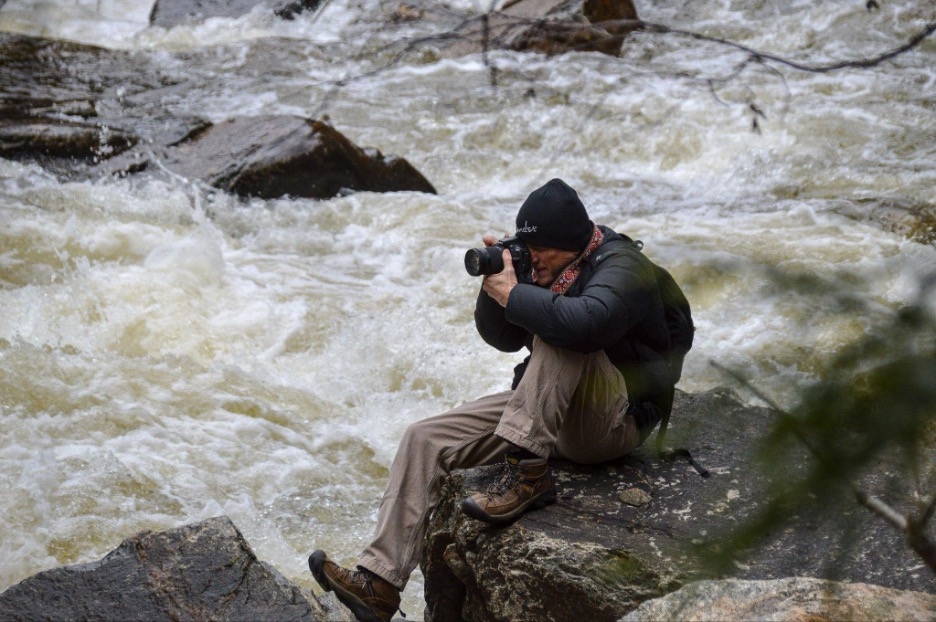
Photo by Suzanne Sheppard: https://www.pexels.com/photo/man-sitting-on-boulder-while-taking-photo-with-a-camera-15108078/
Outdoor photography demands more than a good camera. It requires clothing that protects you from the environment while allowing you to move, kneel, climb, and stay focused for hours. What you wear directly affects your shooting accuracy, safety, and comfort especially when working in unpredictable terrain.
This guide breaks down the essential apparel choices for photographers shooting in the wild, based on practicality, durability, and field-tested performance.
Start With a Base Layer That Regulates Temperature
Temperature swings are common outdoors. Early mornings can be cold. Midday heat quickly becomes intense. A proper base layer keeps your body regulated so you’re not distracted while shooting.
Synthetic fabrics and merino wool offer the best performance. They wick moisture, dry fast, and prevent odor buildup. Cotton is not ideal because it absorbs sweat, stays wet, and makes you cold when the temperature drops.
Base layers also provide subtle insulation without adding bulk—important when you need full mobility to adjust camera angles, hike, or crouch for low perspectives.
Choose Durable, Flexible Pants Designed for Movement
Your pants take the hardest hits—brush, dirt, rocks, kneeling, crawling, sudden climbs, and unstable terrain. Regular jeans can bind your knees and restrict movement. Hiking pants work, but they often lack the durability and pocket structure photographers need.
This is why many outdoor shooters prefer tactical-style pants. They offer stretch, reinforced stitching, and multi-pocket layouts that keep essentials close without impeding movement. A reliable option can be found here.
These pants typically include:
- Gusseted crotches to prevent tearing when taking wide stances
- Reinforced knees for kneeling on rock or soil
- Quick-access pockets for batteries, memory cards, lens cloths, and filters
- Water-resistant coatings for wet foliage or sudden weather shifts
The combination of durability and mobility makes them ideal for rugged outdoor conditions.
Layer with a Midweight Jacket That Handles Weather Shifts
Weather changes fast in the wild. A lightweight, breathable jacket helps regulate temperature while protecting you from wind, light rain, and shrub contact. Softshell jackets perform especially well because they stretch, shed moisture, and stay quiet which is important when shooting wildlife.
Look for jackets with articulated arms to allow full freedom of movement when lifting and pivoting the camera. High collars and adjustable cuffs help block out cold air. If you’re shooting in damp environments, a waterproof shell may be necessary, but avoid overly heavy materials that trap heat and limit range of motion.
Footwear Built for Stability and Rough Terrain
Your footwear must provide stability. Outdoor photography often means uneven terrain such as riverbeds, rocky paths, leaf-covered slopes, loose soil, or wet grass. A slip could damage gear or cause injury.
Hiking boots with deep lugs, ankle support, and solid midsoles protect you from strain and help you hold steady positions for shooting. Breathable waterproof fabrics keep feet dry without overheating. Trail shoes also work if the terrain is moderate, but prioritize grip and foot protection above everything else.
Poor footing leads to shaky shots. Good boots keep your stance firm.
Gloves That Balance Grip and Dexterity
Cold hands reduce reaction time and fine motor control—two things you rely on heavily when adjusting camera settings or swapping lenses. The ideal gloves offer insulation without compromising finger mobility.
Look for gloves with:
- Touchscreen compatibility
- Non-slip palm surfaces
- Thin yet warm materials
- Reinforced index fingers for shutter control
Photographers working in snow or sub-zero conditions may need layered glove systems, but most outdoor shooters do best with midweight gloves designed for dexterity.
A Hat and Eye Protection That Enhance Visibility
Direct sunlight affects both your visibility and your ability to frame shots. A brimmed hat or cap reduces glare and prevents eye strain. It also protects your face from UV exposure during long daylight shoots.
Polarized sunglasses help manage reflections and improve contrast—especially near water, snow, or light-colored stone. Just make sure you switch them off when checking your camera’s LCD, as polarization can distort screen visibility.
Keep a Weather-Ready Backup Layer
Even experienced photographers underestimate how fast conditions shift outdoors. A compact, packable rain shell or insulated layer ensures you can continue shooting, even when conditions turn.
Data from the U.S. National Park Service shows that weather-related incidents account for over 50% of unplanned rescues in national parks each year. Proper clothing dramatically reduces this risk by helping regulate temperature and shed moisture.
Having a backup layer isn’t just practical—it’s a safety measure.
Prioritize Quiet, Non-Reflective Materials
Outdoor photography often requires stealth. Reflective logos, noisy fabrics, and glossy surfaces can scare wildlife or draw unwanted attention. Choose matte, soft fabrics that reduce noise and reflectivity. Earth-tone colors help you blend into natural surroundings without startling animals.
This also helps keep you unseen by human subjects if you’re shooting documentary-style outdoor portraits.
Final Thoughts
Outdoor photography pushes your body, your gear, and your clothing. What you wear must support mobility, focus, and protection. It must adapt quickly when the weather shifts or when terrain becomes unpredictable.
A combination of breathable layers, durable pants like those found in LA Police Gear, stable boots, and smart protective accessories ensures you can stay out longer, move faster, and shoot with confidence.
Dress for the environment, prepare for surprises, and let your clothing work alongside your camera—not against it. If you’d like, I can also create a visual guide or a downloadable checklist for outdoor shooting gear.