Understanding Motion in Photography
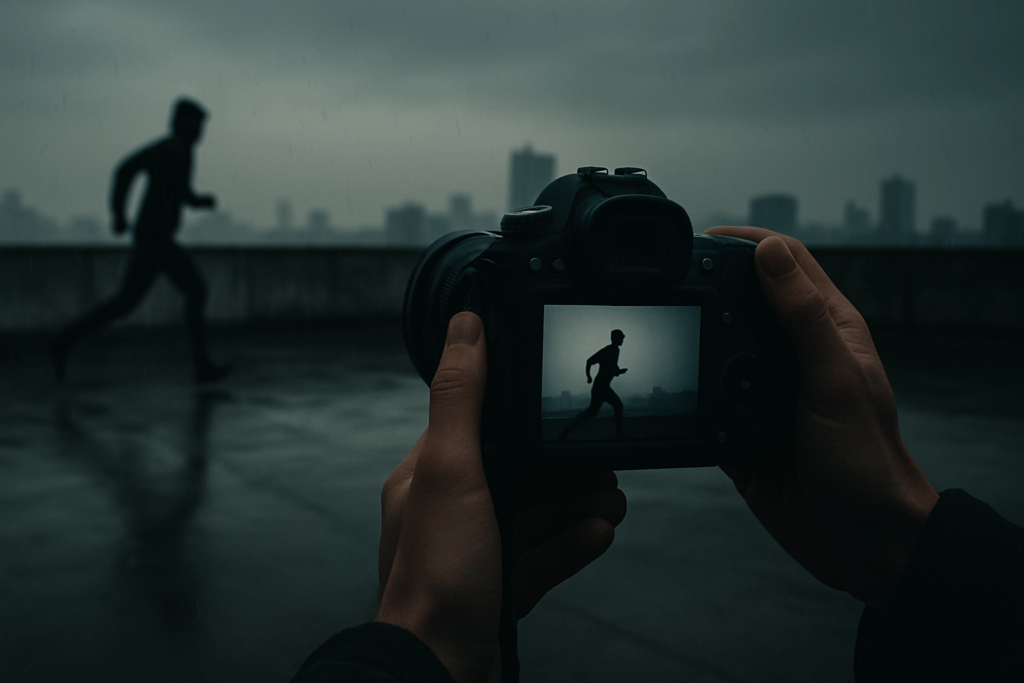
Capturing motion isn’t just about cranking up your shutter speed. Anyone can freeze a runner mid stride, but that doesn’t always tell the story. The real challenge is deciding what kind of motion adds to the image freeze to show precision, or blur to suggest energy and flow.
This is where the exposure triangle shutter speed, aperture, and ISO comes into play. They’re not separate settings; they work together. A fast shutter freezes motion, but needs either more light (lower f stop) or a higher ISO to avoid underexposure. Slow it down and you’ll get motion blur, but risk overexposure or losing sharpness if you’re not careful. Balance is the game, and it’s different every time you shoot.
Knowing when to freeze or blur depends on the shot’s intent. Want to highlight a dancer’s form mid leap? Freeze it. Want to show the rhythm of the crowd behind a skateboarder? Blur it. There’s no formula just experience, experimentation, and a bit of instinct.
To go deeper into how pros nail dynamic shots with depth and emotion, check out Art of Motion.
Gear That Keeps Up
If your gear can’t keep pace, neither can your shots. Fast moving subjects need fast thinking equipment. Start with lenses built for speed look for those with silent, fast autofocus motors (like USM, STM, or XD Linear systems). These help your camera lock onto a subject quickly and stay there, even if it’s darting across the frame.
Then there’s the body. A camera that shoots 10+ frames per second with decent buffer capacity can be the difference between catching the peak of the action or missing it entirely. Pair that with responsive subject tracking, and you’re less likely to end up with a folder of blurry near misses.
Finally, use your settings to your advantage. Switch on continuous autofocus (AF C) so the camera keeps adjusting focus as your subject moves. High speed drive modes are essential set your camera to burst mode and shoot a sequence instead of banking it all on one frame. It’s about stacking the odds in your favor.
Bottom line: good timing matters, but good tools give you more chances to get it right.
Timing is Everything
Capturing action at the perfect moment doesn’t happen by accident it’s a mix of intuition, preparation, and knowing how to get the most from your gear. Great action shots often come down to milliseconds, and getting ahead of the motion is the easiest way to avoid missing the moment. Here’s how to improve your timing strategy:
Anticipate, Don’t React
The best motion photographers learn to read the flow of movement in their environment. Whether it’s a skateboarder lining up a trick or a runner about to sprint, predicting what comes next gives you a critical edge.
Observe patterns or behaviors before shooting
Pre visualize your framing and composition
Position yourself in advance for the best angle
Burst Mode vs. Single Frame: Choose Wisely
There’s a time for rapid fire shooting and a time for precision. Knowing when to use each one can improve both your hit rate and your editing workflow.
Burst mode is ideal for unpredictable motion (sports, street photography)
Captures multiple frames in a second, increasing the odds of nailing the shot
Single shot mode is better for predictable or repeated actions
Forces more deliberate framing and timing
Pre Focus and Predictive Autofocus
Fast paced situations leave no room for hunting focus. Use your camera’s tools to stay one step ahead.
Pre focus on a zone where action is likely to happen (e.g., a finish line or jump ramp)
Take advantage of predictive tracking in your autofocus system
Many modern cameras can track moving subjects and adjust focus dynamically
Mastering timing isn’t about luck it’s about putting yourself in the best position to succeed before the action even begins. With training, your trigger finger starts to blend instinct with technical skill.
Lighting and Backgrounds

Lighting can make or break an action shot especially when you’re working with fast motion. Natural light is your best friend when used right. Mid morning and late afternoon (golden hour) often offer the best balance: soft shadows, rich tones, and enough contrast to keep your subject crisp. Harsh midday sun can blow out highlights and crush detail unless you adjust settings fast.
Fast action demands extra attention to shadows and highlights. Moving subjects can dance between extremes bright sun to deep shade in a second. Keep your exposure nimble and your histogram in check. If you’re shooting in changing light, shoot RAW. You’ll thank yourself later.
Then there’s the background. A cluttered or low contrast background can kill subject separation, even if you nailed focus. Look for backgrounds that contrast in tone or color with your subject dark skate ramps, pale concrete, distant crowd blur. These give your action a stage, not a distraction. Keep your depth of field tighter when you can. Let the noise fall off. Make the motion stand out.
Field Tested Pro Tips
Getting sharp, punchy motion shots starts with practice, and the best training ground is the real world. Skate parks, pickup games, busy street corners they all offer unpredictable, quick movement that’s perfect for honing skills. These environments force you to stay alert and get comfortable with the chaos, which makes it easier to adapt during the high speed moments that matter.
One simple upgrade that makes a big difference? Back button focus. Separating focusing from the shutter gives you tighter control and faster reaction times. No more waiting on the camera to catch up you’re driving the shot now. It takes a few days to get used to, but after that, there’s no going back.
And when composing your frame, resist the urge to stick your subject right in the middle. Use the rule of thirds to add tension and movement. Placing a runner just off center, or letting a skater ride through open space, does more than look cool it tells a better story. In motion photography, it’s what you include and what you don’t that catches the eye.
More Than Technique
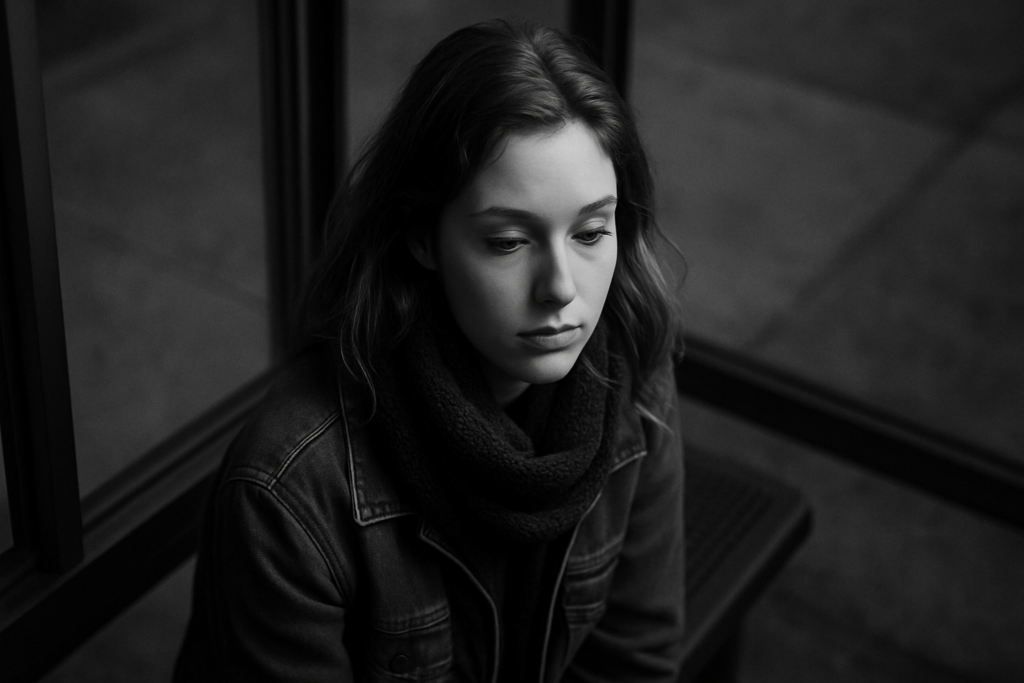
Shooting motion isn’t just about catching sharp edges or perfect timing it’s about telling a story that moves. A runner mid stride, a skateboarder mid air, a dog catching a frisbee each of these moments can fall flat if they’re stripped of emotion or feel disconnected from their environment. Look beyond the action itself. Ask: what led up to this? What’s the mood? Who’s watching? Use framing, depth of field, and background elements to add layers that let viewers feel the intensity, the joy, or even the chaos in the scene.
Great action photography connects movement to meaning. A soccer player yelling in triumph doesn’t just show motion it shows grit, tension, relief. That’s what makes a shot stick. Keep your mind on the bigger picture as your shutter snaps. And when in doubt, shoot through the moment, not just at it.
To push further into dynamic storytelling, explore more on the art of motion.
Final Word
Action photography isn’t just about getting the shot it’s about stretching how you see movement. That means stepping outside your usual scene, subject, or style. If you’ve never tried shooting fast moving subjects, give yourself a challenge: track a sprinter mid stride or time your shutter to freeze a water splash mid air. It’s not about luck. It’s about setting clear goals and building muscle through repetition.
The most skilled action photographers aren’t just fast on the shutter. They watch. They anticipate. And they know when not to take a shot when the moment hasn’t ripened yet. Practice teaches that. So does failing. The breakthrough moments come between the frames you missed and the ones you almost got. That’s where the real magic lives on the edge of your comfort zone, in stillness before the chaos.