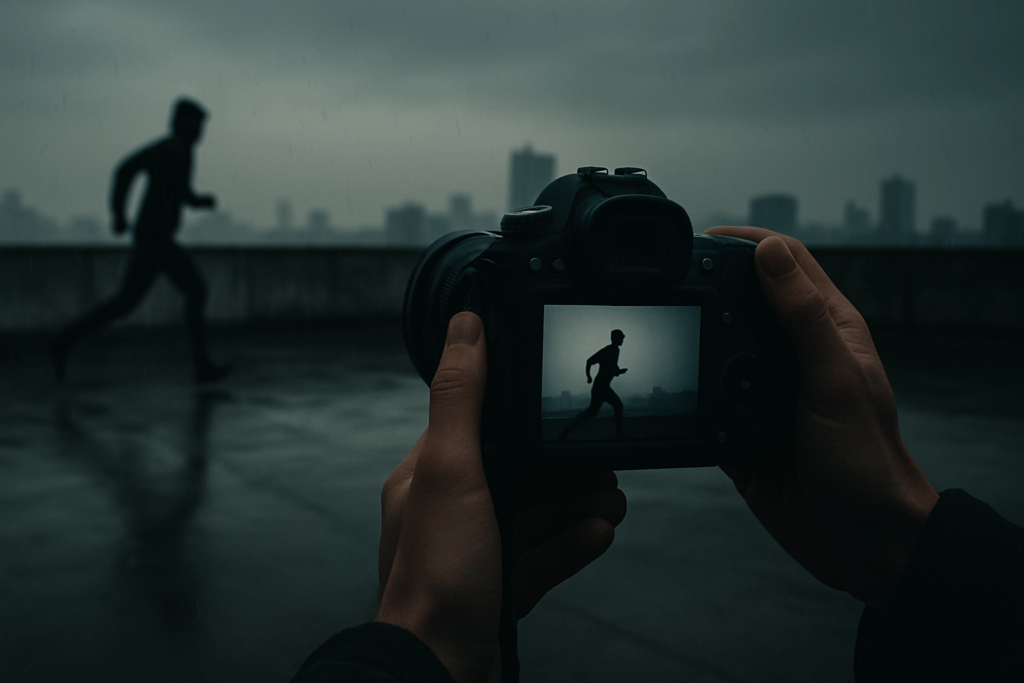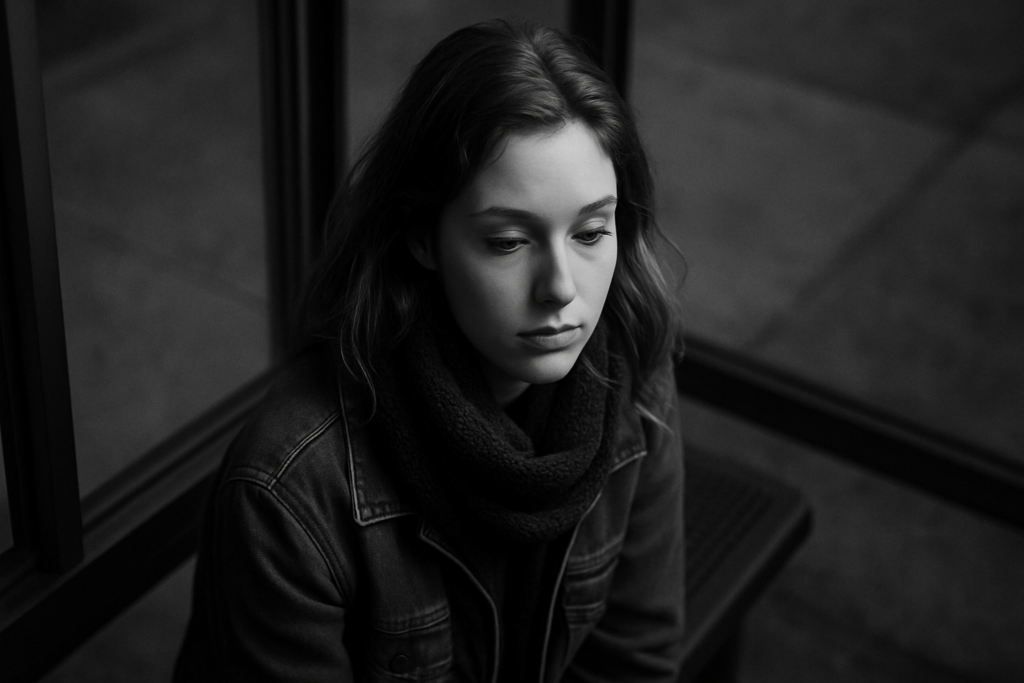
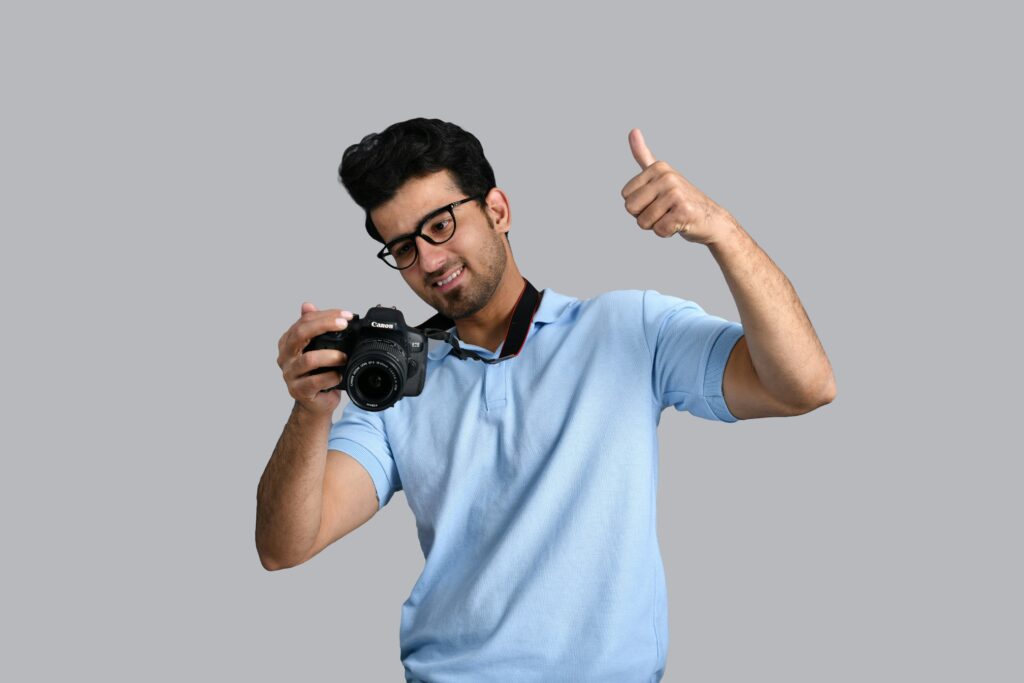
Start with the Human, Not the Pose
You can know every pose in the book, but if your subject feels stiff or self conscious, none of it will land. Connection beats technique every time. People don’t show up to a camera ready to perform; they show up with nerves, distractions, and maybe a bit of awkwardness. Your job isn’t just to pose them it’s to help them feel safe, seen, and maybe even a little powerful.
Start simple. Ask something light: “How’s your day going?” or “What’s something fun you’ve done this week?” These questions don’t just break the ice they shift people out of their heads and into the moment. You’re not digging for deep answers you’re opening a door.
Then, read the room. Are they bouncing with energy or holding back? Match your direction style to their vibe. You can dial it up high energy prompts, quick resets or slow it down, talking them through each shot. There’s no magic phrase, just presence. Look up, listen, adjust. People aren’t statues. They’re stories waiting to come out, and it’s your job to make space for that.
Face First: Expressions that Feel Real
Forget the stiff, frozen grin. What makes a portrait sing is the small stuff the half smile, the glint in the eyes, the tiniest lift of an eyebrow. Micro expressions are your real currency here. They’re subtle, fast, and hard to fake. But they tell the truth. And your camera sees everything.
You don’t need to force these moments. In fact, trying too hard often kills the vibe. Instead, set the tone with loose conversation. Ask about something real. Give your subject something to think about, then stay ready. The goal isn’t to capture a smile it’s to catch a feeling.
Directing emotion doesn’t mean over managing it. Say less. Guide with intent: “Think about someone who makes you feel calm,” or “Remember that win you were proud of.” Watch for the reaction to surface, and shoot in that window. If you miss it, fine. It’ll come back, as long as they trust you.
That trust is why timing matters. Sometimes you give direction. Sometimes you wait. Pay attention to their body language. If they’re already feeling something true, shut up and snap. If they’re nervous or stuck in their own head, guide them out gently. No pressure, no fake laughs just enough space for the moment to find its way in.
Go To Poses That Work for Everyone
If you only learn one thing about posing, make it the S curve. It’s simple: shifts in the hips, shoulders, and spine create a gentle curve through the body, adding flow and visual interest. People aren’t built like action figures posing them like that looks stiff. The S curve brings back natural rhythm, even in stillness.
Angles are your next best friend. A slight twist at the waist, a bent knee, a turned chin these break up flat lines and highlight body shapes in a flattering, human way. Straight on shots flatten everything. Add dimension by turning the body about 45 degrees, then tweak from there.
When it comes to choosing positions seated, standing, or leaning it’s less about rules, more about vibe. Standing feels open and confident. Sitting can bring calm, elegance, or intimacy. Leaning (against a wall, doorframe, tree whatever) gives a casual edge that relaxes both subject and frame. Use the setup to match the mood of your shoot.
Quick fixes for posture? Tell your subject to lift their chest slightly, like they’re wearing a medal. Or ask them to roll their shoulders back as if they’re about to walk into a room confidently. These cues feel normal and natural not robotic and they instantly add polish without killing the moment.
The best poses feel like good body language frozen in time. Make comfort the starting point, then shape from there.
Arms, Hands, and What to Do With Them
Hands can elevate a shot or kill it. Too often, they become distracting elements, doing nothing or looking lost. The goal is to treat hands as emotional tools. A slight grip on a jacket, a trace through the hair, or a subtle adjustment of a sleeve says more than a smile sometimes can. These movements suggest mood, motion, and presence. They pull viewers in.
When you’re directing, don’t just say “do something with your hands.” Give clear, simple cues. Try things like, “Lightly fix your collar,” “Touch your necklace,” or “Run your hand through your hair but don’t overdo it.” These prompts feel natural and offer just enough purpose to avoid stiff posing.
And please watch out for the floating hand. That’s when a hand just hovers with no context, like it’s midair with nowhere to land. Another common trap is the glued arm, stuck flat against the body like it’s afraid to move. Both look awkward, and both drain energy from the shot. Instead, create small tasks or actions that give the body something to do. Micro movements are your friend.
Keep it grounded. Keep it intentional. Hands matter more than most photographers realize.
Movement = Magic
If your subject looks like a statue, your photo’s already lost. Static poses tend to drain energy from the frame. They flatten personality and freeze the scene. That’s fine for passport photos not for portraits that are meant to connect.
Movement adds life. Not big, dramatic gestures. The good stuff lives in mini movements: shifting weight from one foot to the other, swiveling the shoulders a few degrees, gently turning the wrist. Small changes in posture ripple through the whole body, unlocking more natural expressions and giving you a range to shoot through.
Direct your subject like you’re guiding a scene not issuing commands. Ask them to slowly walk toward you. Have them spin halfway and glance back. Reset their footing and let them settle. Don’t aim for one perfect frame aim for 20 good ones as they move. The payoff is in the flow.
When in doubt, use prompts that involve action: “Take a slow step and breathe,” “Turn at the waist like you just heard your name,” or “Shift your weight like you’re getting comfortable again.” These lead to real movement, and real movement reads as authenticity on camera.
Gear, Framing, and Perspective
Let’s keep it simple: the gear you use and how you frame your subject can make or break a shot.
Start with lenses. A good rule of thumb? Stick with focal lengths between 50mm and 85mm for portraits. These lenses compress the scene just enough to avoid distortion no weird nose stretching or jaw warping. Wider lenses exaggerate features, so unless you’re shooting with intent (like stylized editorial work), skip the 24mm closeups.
Now, framing. Want someone to look taller, leaner, or more powerful? Shoot slightly from below and keep their lines clean arms and legs angled, never flat. Need something softer or more intimate? Move in tighter and use the rule of thirds to keep the frame balanced but still human. Don’t stack your subject dead center unless you’ve got a good reason.
Perspective changes everything. Eye level is your safe zone it’s honest and relatable. But tilt up or down just a bit and you’ve got a new story. Shoot from above for vulnerability. From below for strength. Play with these shifts. They’re subtle, but they speak loud.
Use your gear to flatter, not to complicate. Frame with purpose. Shift your angle with intention. That’s how you guide the viewer’s eye without saying a word.
The Secret Sauce: Storytelling Through Pose
Great posing isn’t about looking perfect it’s about saying something without words. Body language is your visual shorthand. A slumped shoulder tells a different story than a lifted chin. The way someone crosses their arms, tilts their head, or shifts their weight can add layers of meaning to an image. Your job is to shape those physical cues into something that supports the story you’re trying to tell.
That starts by matching the pose to the emotional tone. Want vulnerability? Try seated poses with soft hands and open expressions. Need defiance? Strong stances with weight on both feet and squared shoulders hit the mark. You don’t have to over direct; sometimes it’s as simple as saying, “Relax into how this moment feels” and making small adjustments based on what unfolds.
Take it a step further by combining pose with intentional narrative. Think beyond aesthetics what’s the context behind the frame? A quiet portrait by a window means something different when the hands are clenched versus lightly resting. For deeper results, pair posing strategy with solid storytelling techniques. Let your subject’s body help carry the arc, frame by frame.
When to Break the Rules
Not every shot should feel perfectly composed. In fact, chasing symmetry too aggressively can suck the life out of a photo. When everything is too neat, too centered, too balanced, it starts to feel staged and people feel that. Mess it up a little. Shift the frame, tilt the head, let something fall out of place. That’s where the energy lives.
Imperfections make your work honest. A messy strand of hair, a laugh caught mid blink, an imperfect silhouette these details are the fingerprints of real life. Instead of polishing them out, lean into them. What feels off often feels human.
Also, don’t get so locked into your posing script that you miss the moments in between. The best shots happen in transition: a subject relaxing after you say “okay, hold that,” or the second before they reset their face. Shoot through the pose. Catch the pauses. That natural in between is where the magic sneaks in.
Wrap with Value
Great posing doesn’t start with angles it starts with awareness. As you continue to develop your skills behind the camera, make space for active practice and continued learning. Here’s how to wrap it all up with actionable takeaways.
Pose Cheat Sheet: Go To Foundations to Memorize
Having a mental cheat sheet of versatile, flattering poses makes on the spot direction smoother and helps every shoot start with confidence. Start memorizing these basics:
The “S Curve”: Ideal for soft, natural posture that adds dimension
Crossed Legs While Standing: Elegant and subtly dynamic
Leaning Into the Frame: Builds intimacy and connection in portraits
Over the Shoulder Glance: Classic fashion and storytelling prompt
Weight on Back Foot: Creates natural asymmetry for most body types
Tip: Always adapt the pose to the person these are starting points, not strict rules.
5 Minute Mirror Routine: Sharpen Your Eye
To improve your confidence in directing, try this quick, daily exercise:
- Stand in front of a mirror and run through 5 standard poses.
- Notice small shifts in weight, angle, or hand placement.
- Practice giving verbal cues aloud, as if you’re directing someone else.
- Watch how small changes can dramatically affect mood and shape.
This deliberate practice will help you recognize successful variations and better communicate them to your subjects.
Keep Expanding: Evolve Through Storytelling
If you’re ready to move beyond technical posing into emotionally driven sessions, start studying narrative composition. Great posing tells mini stories. Learn how to blend pose with intention:
Experiment with poses during specific emotional states
Ask yourself: What’s the subject feeling? How can the pose reflect that?
Use this guide on advanced storytelling techniques to help deepen your impact
Strong posing isn’t just about direction it’s about connection. The more you practice, observe, and challenge your creative instincts, the more natural and lasting your sessions will become.